







Coronation and Dynastic Conflict
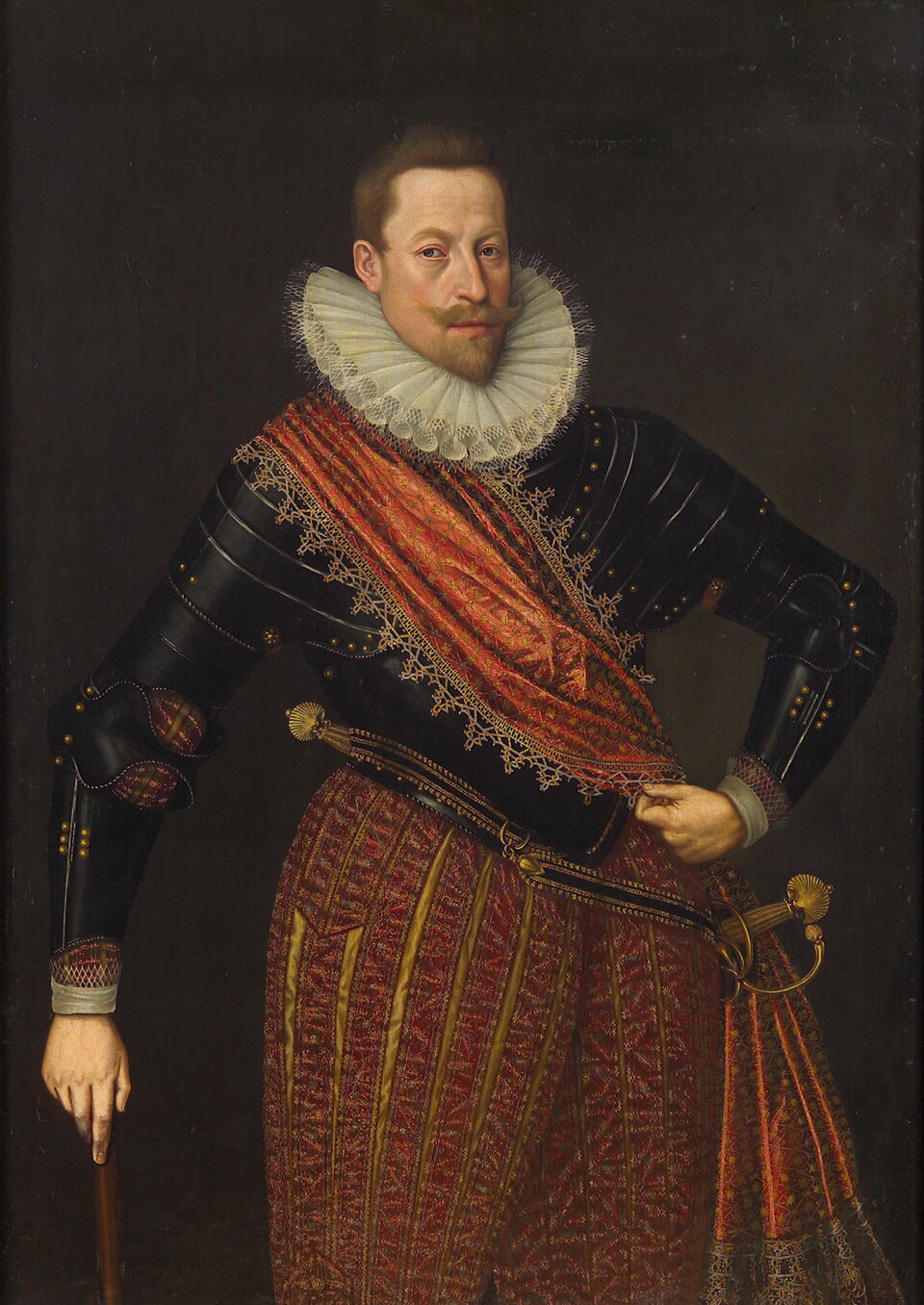
On May 23, 1611, Matthias II, the younger brother of Rudolph II (r. 1576–1612), was crowned King of Bohemia in St. Vitus Cathedral at Prague Castle. It must be noted that this occurred with the forced consent of the Emperor.
Although Rudolph resided at Prague Castle, literally dozens of meters from the site of the ceremony, he did not attend the coronation festivities. Plagued by severe depression, he remained secluded in the imperial chambers. Matthias’s Bohemian coronation represented the culmination of a protracted personal conflict between the two brothers.
Political Strategy and Struggle for Power
Personally, Matthias was an unwavering Catholic and a proponent of centralization. However, until his coronations, he adopted a very conciliatory stance toward the Protestant estates in the Austrian lands, Hungary, and the Bohemian lands. He urgently needed allies.
He deliberately cultivated the image of a future monarch who championed religious tolerance and defended provincial liberties. This policy proved successful.
In 1608, Matthias marched into Bohemia with the military support of the Hungarian, Austrian, and Moravian estates in an attempt to force Rudolph to abdicate. The Bohemian estates exploited the conflict, securing Rudolph’s signature on the Letter of Majesty, which guaranteed religious freedoms, in exchange for a promise of loyalty.
Path to the Bohemian Crown
While Rudolph saved his Bohemian crown through this concession, he was forced to cede governance of Hungary, Upper and Lower Austria, and Moravia to his younger brother. He never reconciled with this humiliation and spent the rest of his life plotting revenge.
An eager ally—pursuing his own interests—emerged in the person of Leopold of Habsburg, Bishop of Passau. In January 1611, Leopold’s troops crossed the Bohemian borders and reached Prague in a rapid march.
Despite initial successes, the position of the Passau forces became untenable in the following weeks. Under pressure from the provincial estates’ army, Leopold was forced to retreat, leaving the helpless Rudolph in Prague.
This failed military venture cost Rudolph the loyalty of the Bohemian estates, who offered the Bohemian crown to Matthias. He accepted it readily.
Coinage as a Political Instrument
Following the coronation, Matthias remained in Bohemia, using the time to gain the trust of the Bohemian estates. His strategy included an ostentatious respect for provincial liberties, the use of provincial symbols, and the fulfillment of at least some of the Diet’s demands that Rudolph II had previously ignored.
This brief period of conciliation left its mark on Bohemian coinage.
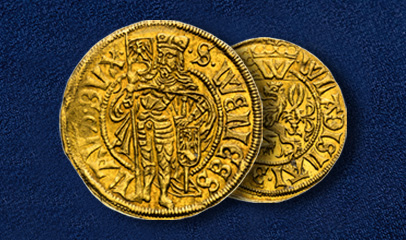
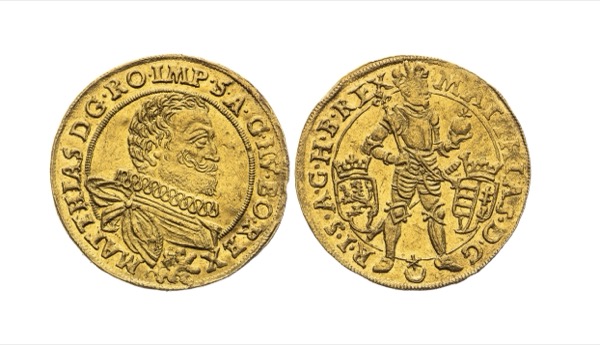
On thalers from 1611–1613, the Bohemian Royal Crown temporarily adorns the monarch’s head, and the image of St. Wenceslas returned to the ducats from the beginning of Matthias’s reign.
Prague Ducats and Their Production
For promotional reasons, Matthias’s St. Wenceslas ducats were struck in unprecedented volumes, at least compared to previous Prague ducat production.
However, the Prague Mint lacked a permanent production infrastructure or a steady source of precious metal, unlike the Kremnitz Mint. Regular ducat minting was covered by purchasing gold from Prague merchants, particularly Jewish traders.
Once the need to present the new king as a respectful monarch subsided, affairs returned to the old order. Ducats were struck only sporadically, provided there was material available.
Rarity and Numismatic Significance
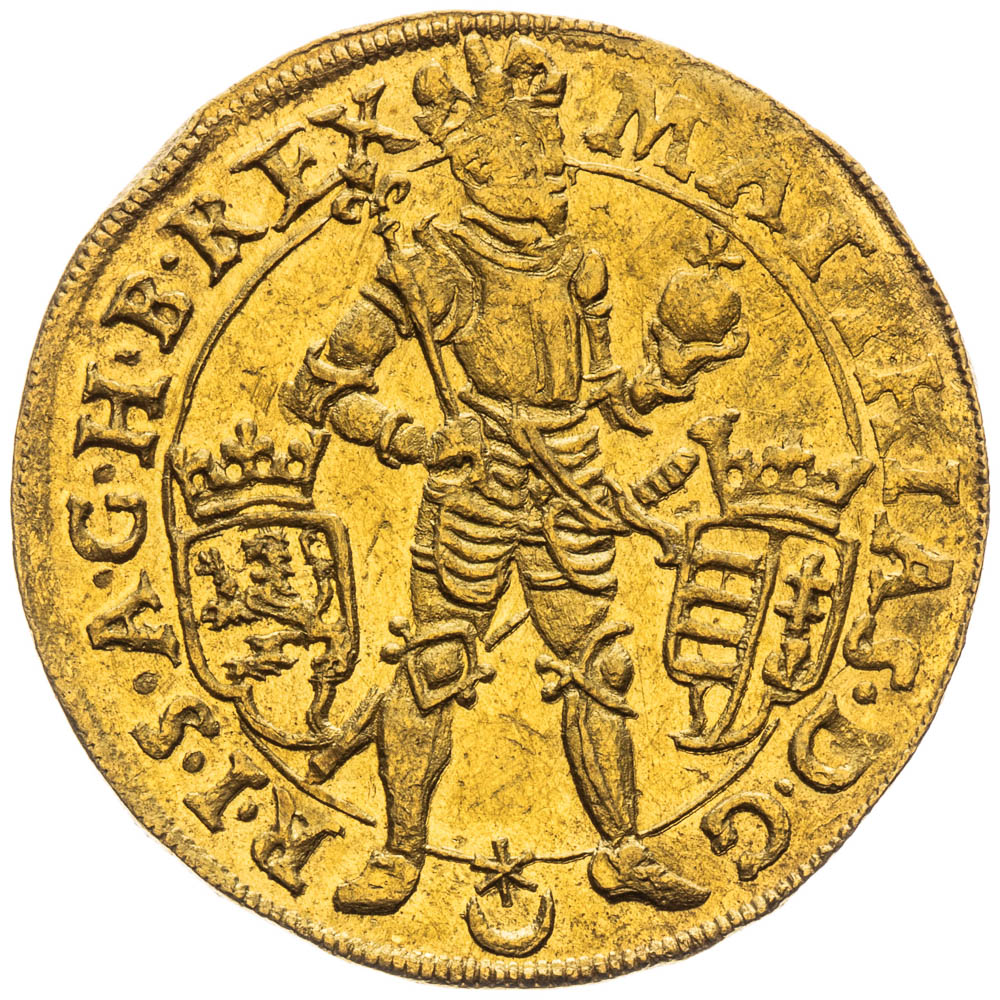
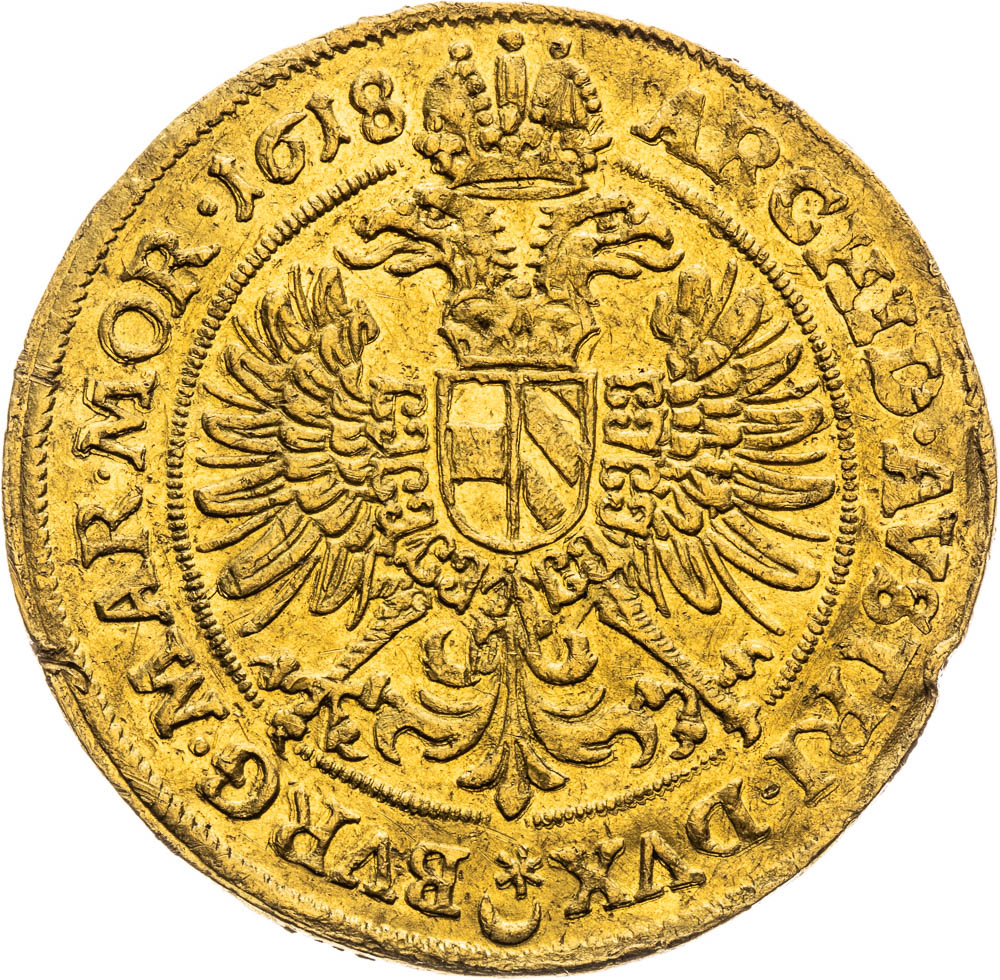
The visual design of the ducats also reverted to the old pattern, featuring a standing monarch on the obverse and the imperial eagle on the reverse.
The annual accounts of the Prague Mint from 1613–1619, where preserved, demonstrate that no more than a few thousand ducats—typically fewer than three thousand—were struck annually.
The actual number of physical coins was even lower, as the mint reported the number of ducats struck regardless of denomination. For instance, a ten-ducat piece was recorded in the accounts as ten ducats.
Consequently, Matthias’s ducats are true centerpieces of any Bohemica collection. The two- and five-ducat denominations are considered the rarest of all, representing genuine numismatic rarities.
Selection from Auction #38
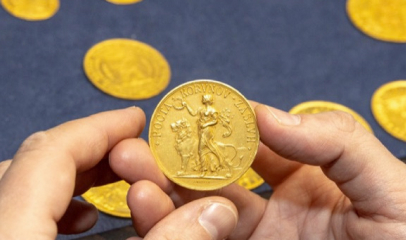
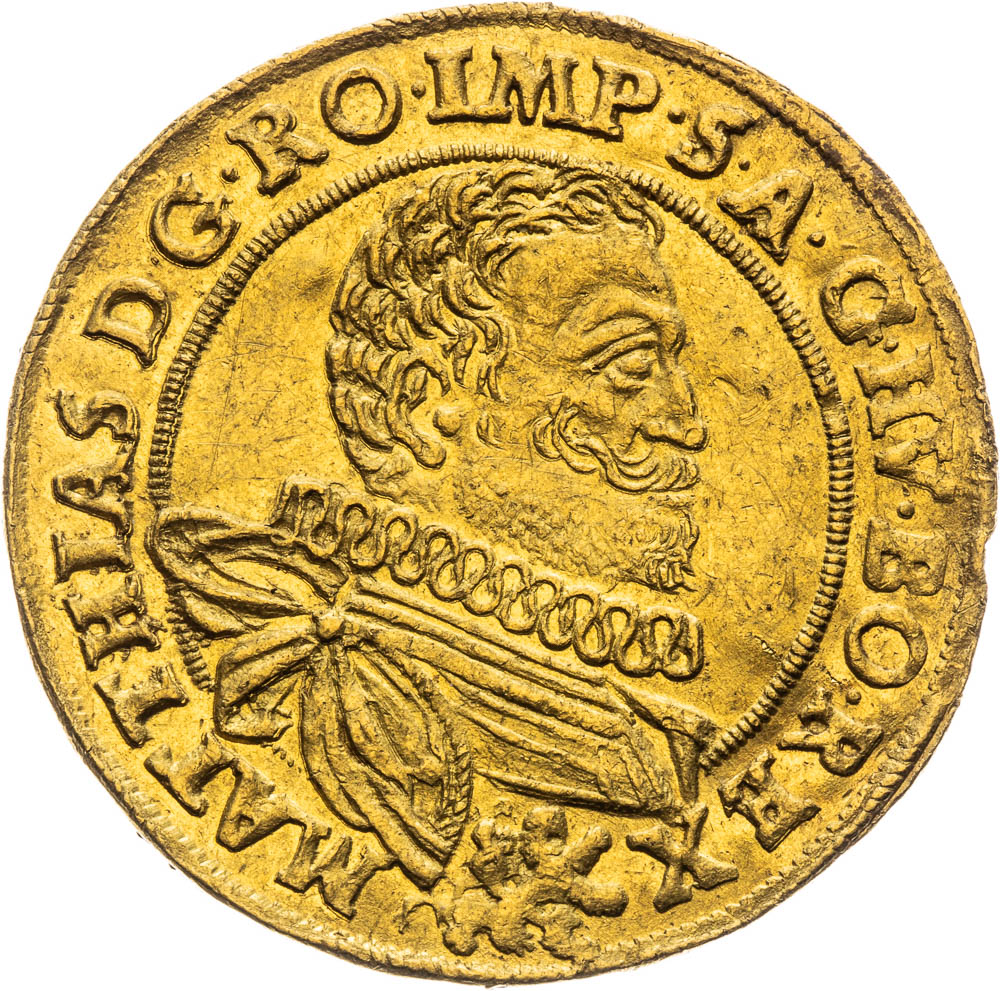
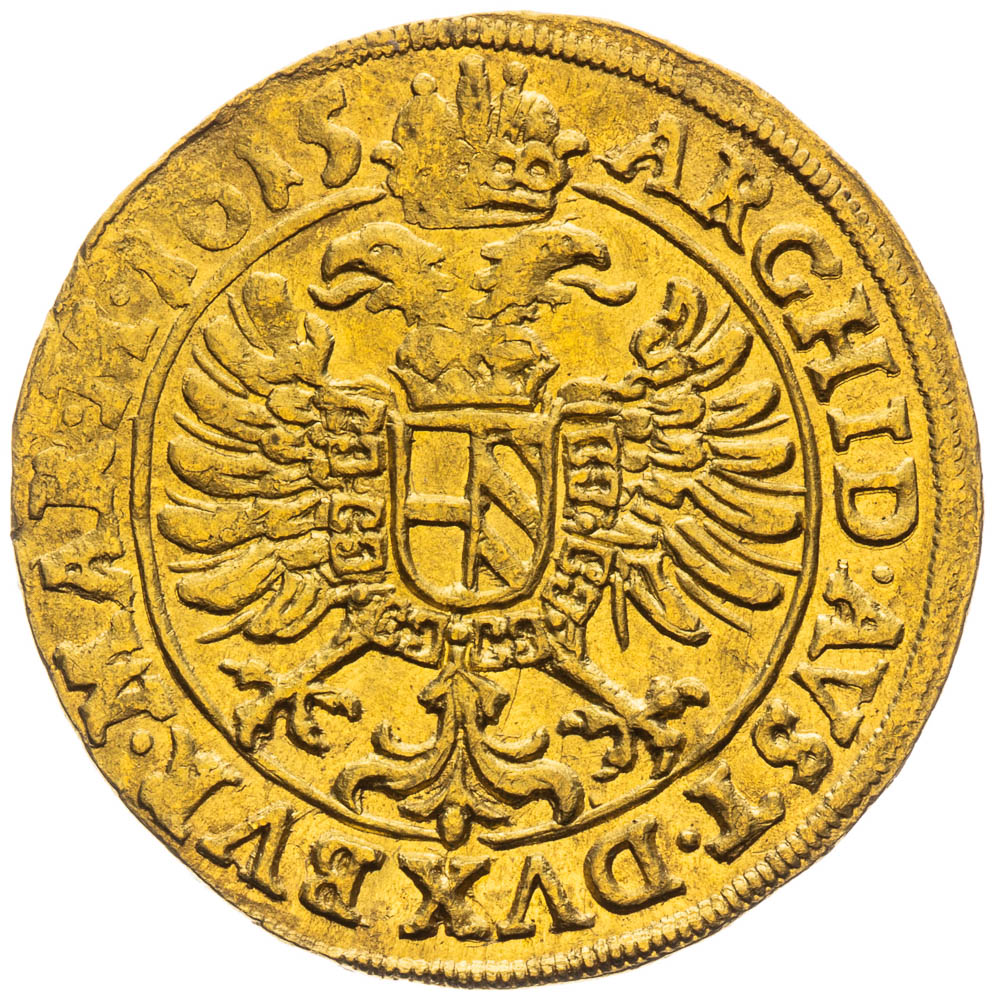
We are pleased to offer collectors two beautifully preserved Matthias coins in our auction under lots 161 and 165.
Lot 161 – 2 Ducat 1618, Prague
Mint luster in the fields. Minor scratches. Extremely rare!
good EF | good EF | €40,000
Lot 165 – Ducat 1615, Prague
Exceptional specimen with mint luster in the fields. Slightly weakly struck. Very rare!
good EF | good EF | €8,000
Conclusion
Matthias’s ducats represent a unique intersection of history, political messaging, and minting artistry. They remain highly sought-after among collectors and investors alike.


